

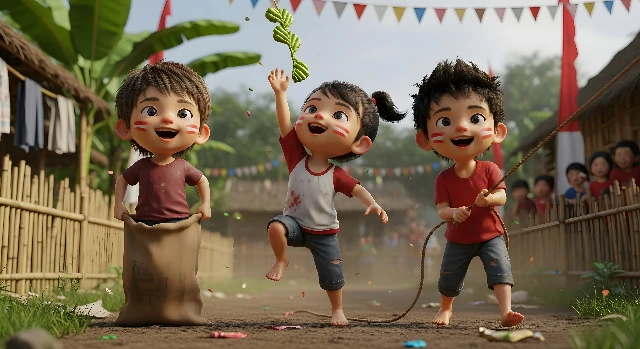
The Future of 3D Animation for Business in 2025
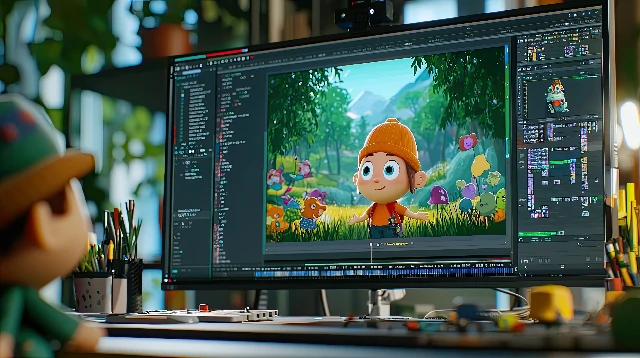
3D animation for business has entered a new era in 2025, driven by faster technology, higher visual standards, and the growing need for clear digital communication. As companies compete for attention in online spaces, animation becomes a powerful tool that combines creativity, precision, and storytelling. Businesses across every industry now rely on 3D animation to explain complex ideas, demonstrate products, and build stronger brand identities. Because audiences expect engaging and visually rich content, animation serves as one of the most reliable ways to deliver meaningful messages with clarity and impact.
Why Companies Rely on 3D Animation Today
The shift toward digital first communication has made 3D animation for business more relevant than ever. Animation takes information that might be difficult to explain through text or live action and turns it into something understandable and visually appealing. This is why business animation is becoming more common in product marketing, investor presentations, and online advertising. Customers respond better to dynamic visuals, and brands that use animation often experience higher engagement and improved trust. With competition increasing in every digital space, companies that invest in animation gain a clear advantage.
Real Time Rendering and Faster Production in 2025
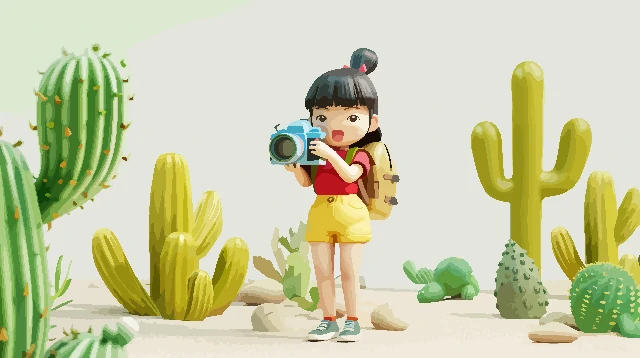
One of the most important 3D animation trends shaping 2025 is real time rendering. Engines such as Unreal Engine and Unity allow studios to generate high quality visuals instantly, reducing long rendering times and making revisions faster. This gives businesses more control over their projects, since changes can be reviewed immediately without delaying production schedules. Real time technology also creates opportunities for interactive content, including virtual product showrooms and 3D tools that customers can explore online. These experiences are not just visually impressive but also deepen customer understanding and interest.
The Rising Popularity of 3D Animation in Marketing
Marketing teams now consider business animation essential. Today, brands use 3D animation to create product demos, social media videos, launch campaigns, training materials, and digital advertisements. This shift reflects how audiences prefer to learn visually rather than through long written explanations. One form that has become especially popular is the use of 3D explainer videos. These videos combine storytelling and animation to present complex ideas in a clear and engaging way. Whether a business needs to explain software, machinery, or a new service, 3D explainer videos help audiences understand the message quickly and remember it longer.
Virtual Production and Its Impact on Business Communication
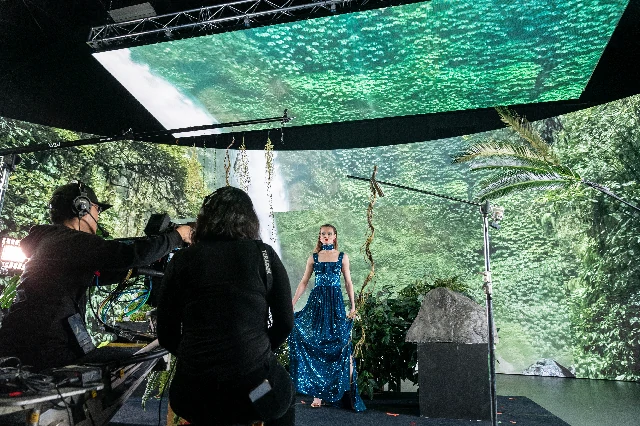
Another major development influencing 3D animation trends is the rise of virtual production. This technique uses real time engines, LED walls, and motion capture to create cinematic visuals without needing physical sets. What began in the film industry is now used by businesses that want to tell strong visual stories without the cost of location shooting. Virtual production provides full control over lighting, environments, and camera movement, making it ideal for high end commercials, brand films, and product showcases. Companies can now create world class visuals with more efficiency and creativity.
AI Supported Workflows and Better Efficiency

AI technology is improving animation pipelines by helping with repetitive tasks such as lip sync, rigging assistance, motion cleanup, and early concept development. This does not replace human creativity, but it speeds up the production process and allows artists to focus on storytelling and design. For businesses, this means faster delivery times and more room for creative experimentation. As AI tools continue to evolve, the quality and accessibility of 3D animation for business will only improve further.
Photorealistic Rendering and Product Visualisation
Another important trend is the rise of photorealistic 3D rendering. Modern software can now recreate materials, textures, and lighting so accurately that the visuals can be mistaken for real photography. This is especially valuable for product animation, where companies need to show items in perfect detail long before manufacturing begins. Photorealistic visuals help businesses test ideas, present designs to investors, and market products with confidence. In e-commerce, customers make better decisions when they can view a product clearly from every angle, making this technique essential for online retail success.
Industries Adopting 3D Animation in 2025
The use of 3D animation for business is expanding across many fields. Technology companies use animation for software explanations, while e commerce brands rely on it for product demonstrations. The automotive, medical, architectural, and education sectors also use animation to present complex systems in ways that audiences can understand quickly. This broad adoption shows that animation is no longer a niche skill but a standard method of communication for companies that want to remain competitive.
Conclusion: Why 3D Animation Will Continue to Grow
The future of 3D animation for business in 2025 is defined by speed, clarity, and innovation. With new technologies improving efficiency and creative possibilities, animation is now one of the most effective tools for digital communication. Businesses that invest in animation today gain stronger engagement, clearer messaging, and a more professional visual presence. As 3D animation trends continue to evolve, brands that embrace these tools will stay ahead in a world where visual storytelling is more important than ever.